
Food Security & Livelihoods
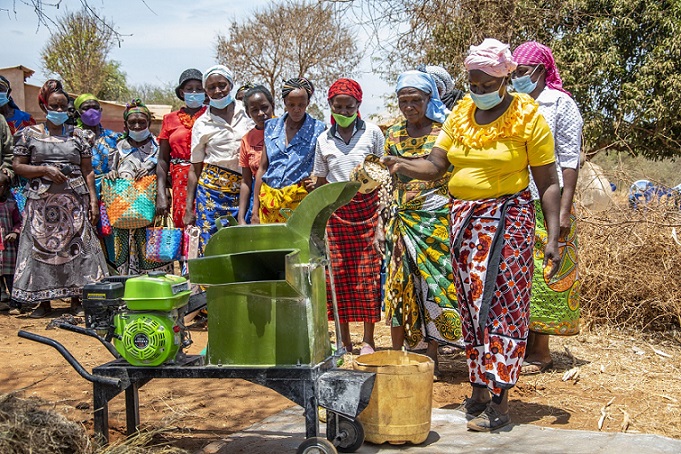
The objective of Help a Child’s Food Security and Livelihoods (FSL) activities is to improve the food security of vulnerable households in the long term. Depending on the situation, Help a Child combines various short-term, mid-term, and long-term interventions. Over the entire line, but especially in our community development projects, Help a Child’s focus has been to involve young people in agricultural activities, thus boosting food security in their communities while at the same time creating income and livelihood opportunities for the next generation.
Core interventions:
- Formation and strengthening of (youth) farmer groups;
- Participatory Integrated Plan (PIP) to help households to envision their future;
- Value chain and SME assessment;
- Lobby and advocacy in relation to access to training, land, and microfinance;
- Community-based disaster risk reduction;
Life-saving food aid (maize flour, oil, beans, seeds, tools, cash etc.).
Business skills package
Boost the business and entrepreneurial skills of youth in your project area with the ‘Generate your Business Idea’ package and ‘Start your Business’ follow up package.
Participatory Integrated Plan (PIP)
PIP is a sustainable integrated farm planning approach. The Dutch Wageningen University & Research (WUR) has developed three PIP modules about awareness raising at community level, PIP creation with PIs and creation of Integrated Plot Plans (IPPs) with PIs.
Life Skills package
Help a Child has developed a Life Skills package with themes varying from Conflict Resolution to Problem Solving and Self-Esteem.
Youth & Work Approach
The document ‘Our vision on Youth’ (see below) describes the approach and minimum requirements for the obligatory Youth & Work component within the Child Centered Community Development (CCCD) program.